
Security Readiness

Training & Awareness

Turn your people from the most-targeted attack surface into an active layer of detection and defense.

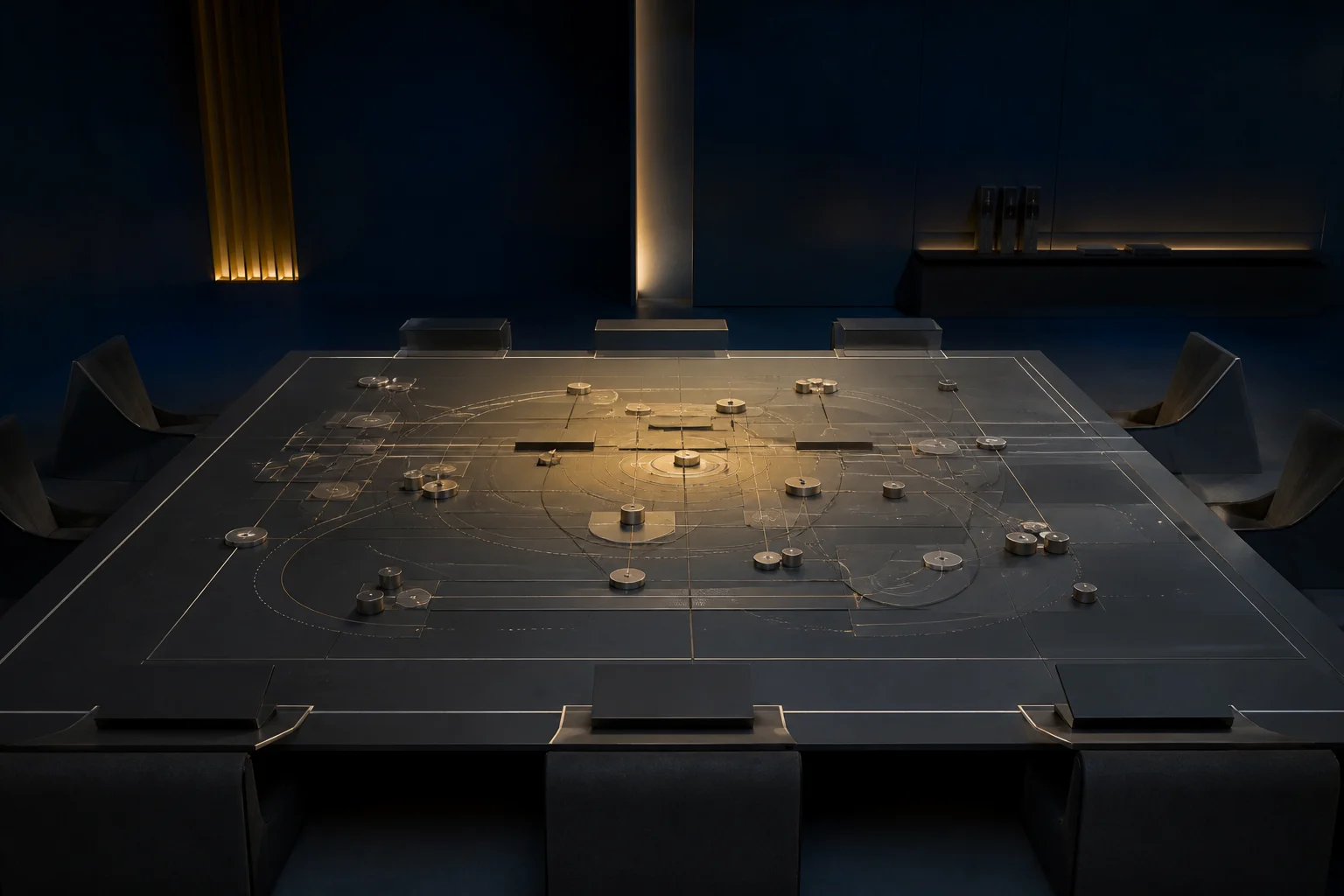
A coordinated scenario table with arranged markers, representing collaborative readiness and tabletop practice

The Open Security Experience

Where this service sits.

Discover → Validate → See & act → Improve. This engagement lights the stages that match how Open Security delivers it — and stays connected to the rest of the experience.

  1. 01DiscoverSee where risk lives.
  2. 02ValidateProve what actually works.
  3. 03See & actPrioritize and close it.
  4. 04ImproveGet stronger next cycle.

The problem

Your controls are tested daily. Your people rarely are.

Most breaches still start with a human — a click, a credential, a convincing phone call. Annual compliance videos do not change behavior. Realistic practice does.

  • Executives have a plan on paper and have never rehearsed the call they would actually make.

  • Phish reporting is a hope, not a trend you can show by department.

  • High-risk roles get the same generic module as everyone else.

Where it breaks

  • 01

    Executive

    No clear call.

  • 02

    Communications

    Escalation stalls.

  • 03

    Operations

    Evidence is late.

A tabletop fails in the handoffs — not in the slide deck.
How the engagement is run

The work, from context to follow-through.

Operators run the engagement. You stay in the decisions that shape scope, evidence, and what gets closed.

What's in scope

  • Baseline phishing simulation
  • Role-based security workshops
  • Executive tabletop exercises
  • Metrics dashboard for improvement over time

The relationship

A program, not a one-day exercise.

A single workshop is forgotten. A campaign calendar, role-based practice, and scenarios you can run again are how people become a layer of detection instead of a once-a-year checkbox.

  1. 01

    Phishing and tabletops built from lures operators use in actual engagements — then reused, not reinvented.

  2. 02

    Trends by department replace a single click-rate anecdote.

  3. 03

    Scenarios can live in RTable so the next exercise continues the last one.

The Open Security difference

Taught by people who run real attacks.

  1. 01

    Phishing and social engineering campaigns built from the lures operators use in actual engagements.

  2. 02

    Executive tabletop exercises that rehearse the decisions, not just the tech.

  3. 03

    Role-based training delivered by instructors who train security teams worldwide.

Outcomes

What is different when you leave.

  1. 01

    Click-rate and reporting trends by department

  2. 02

    Customized training modules for high-risk roles

  3. 03

    A reinforcement campaign calendar that builds habits

  4. 04

    A workforce that reports threats instead of falling for them

Related technology

Operators do the work. Technology keeps it connected.

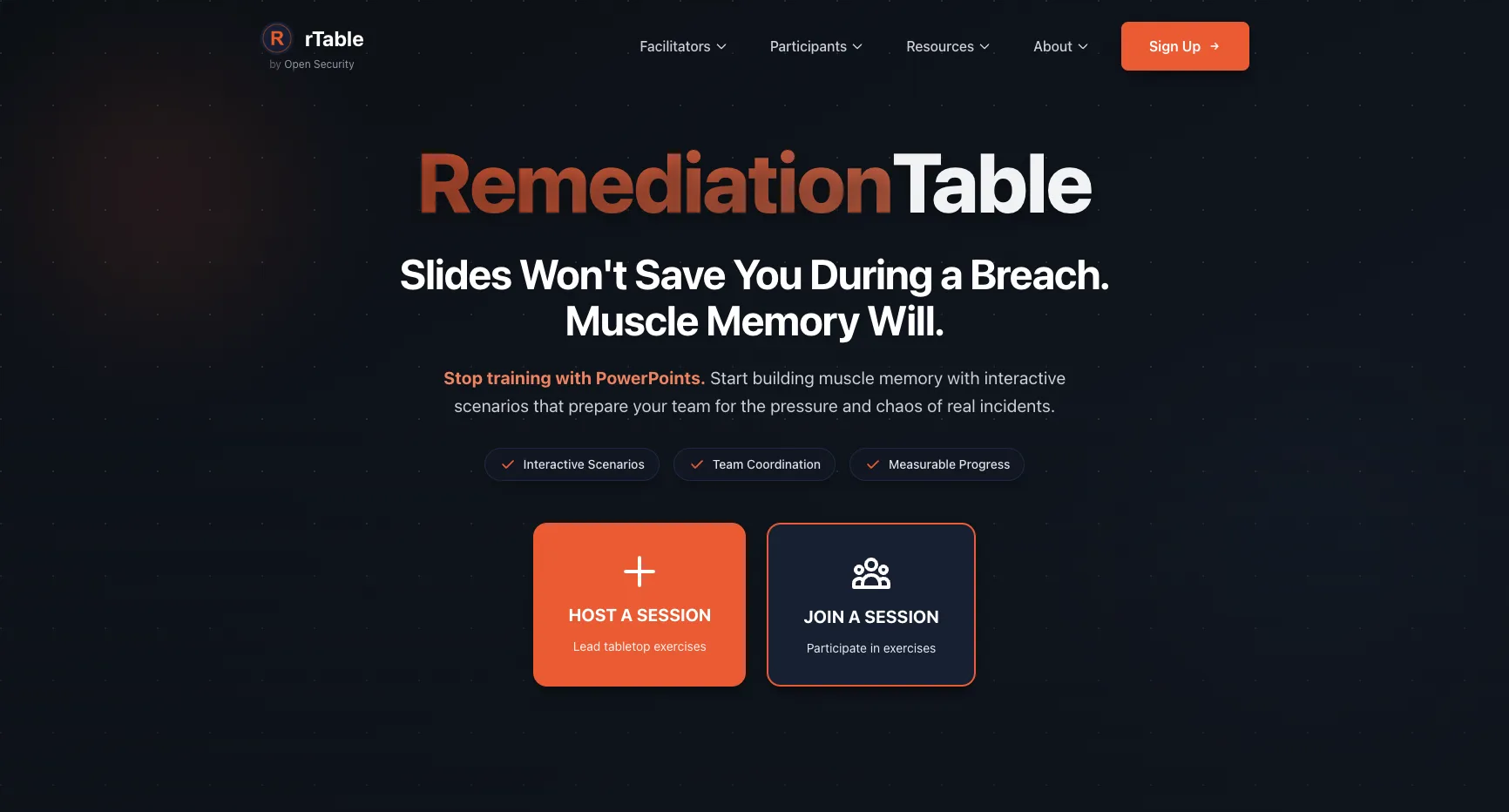
RTable

How RTable keeps scenarios reusable

Tabletop decisions and readiness scenarios can live in RTable so the next exercise is a continuation — roles, handoffs, and the calls you would actually make.

Explore RTable →
RTable tabletop and readiness interface used in training and awareness engagements

Common questions

How often should simulations run?

Quarterly is the minimum that changes behavior. Monthly is the better cadence for high-phish-risk industries.

Is this annual compliance training?

No. Annual videos do not change what people do under pressure. We run realistic practice — phishing, tabletops, and role-based workshops.

Who should be in a tabletop?

The people who would actually decide and escalate — executives, communications, legal, IT, and operations — not only the security team.

How is this different from the Training portal?

The top-level Training offering is range time and content. This service is an engagement: simulations, tabletops, and awareness built around your people and your scenarios.

How do you measure improvement?

Click-rate and reporting trends by department, plus whether tabletops produce clearer decisions the next time. RTable can keep those scenarios reusable.

Will you embarrass staff who click?

No. The goal is a workforce that reports threats. We treat clicks as signal for the next campaign, not a public scoreboard.

The Open Security Experience

What comes before and after.

You do not need to buy the entire platform. These stages show how this service becomes more powerful as part of the Open Security Experience.

Practice the decisions that matter.

Talk with an operator about the lures your people actually see — and the tabletops your executives have not run yet.