
Security Validation

Threat Simulation Services

Pressure-test your detection and response against the attacks that would actually target you — before someone else does.

Branching spatial paths with one route illuminated, representing intelligent adversarial testing and decisions

The Open Security Experience

Where this service sits.

Discover → Validate → See & act → Improve. This engagement lights the stages that match how Open Security delivers it — and stays connected to the rest of the experience.

  1. 01DiscoverSee where risk lives.
  2. 02ValidateProve what actually works.
  3. 03See & actPrioritize and close it.
  4. 04ImproveGet stronger next cycle.

The problem

An untested response plan is a hypothesis.

Tools are deployed, playbooks are written — but until a realistic adversary moves through your environment, nobody knows whether detection fires, escalation works, or recovery holds.

  • The first ransomware event should not be the first time the playbook is used.

  • SOC tooling is bought; nobody has proven the alert fires on a live path.

  • After-action notes from the last incident never became a rehearsal you can run again.
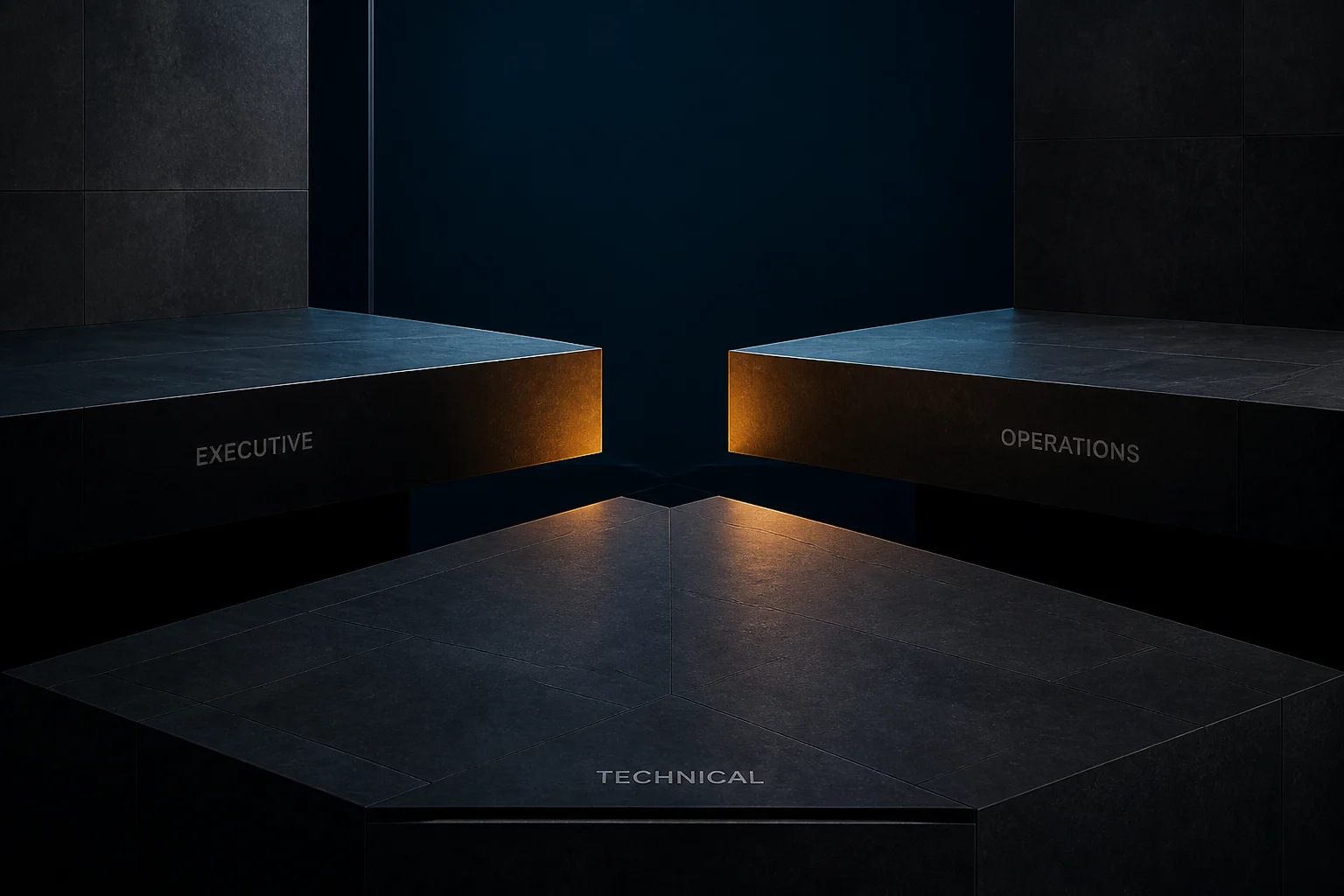
Three architectural volumes that should connect, representing roles whose handoffs do not hold under pressure
Roles exist. The path between them does not hold under pressure.

How the engagement is run

The work, from context to follow-through.

Operators run the engagement. You stay in the decisions that shape scope, evidence, and what gets closed.

What's in scope

  • Ransomware emulation and recovery drills
  • Red/blue/purple team scenarios
  • Phishing and vishing campaigns
  • SOC detection and response validation

The relationship

A program, not a point-in-time PDF.

One exercise is a story. A repeatable scenario — with detect and contain metrics you can baseline — is how response gets stronger instead of starting from a blank playbook every year.

  1. 01

    Scenarios and after-action work stay with the team that already knows your environment.

  2. 02

    Detection gaps become tracked work, not a slide that dies in the readout.

  3. 03

    You can run the same pressure again and see whether mean-time-to-detect actually moved.

The Open Security difference

Realistic pressure, controlled blast radius.

  1. 01

    Controlled TTPs and tooling — never uncontrolled payloads in production.

  2. 02

    Red, blue, and purple formats matched to your team’s maturity, not a fixed script.

  3. 03

    After-action focus on decisions: what to detect, what to automate, what to rehearse next.

Outcomes

What is different when you leave.

  1. 01

    An after-action report with concrete detection gaps

  2. 02

    Updated IR playbooks and communication templates

  3. 03

    Mean-time-to-detect and contain metrics you can baseline

  4. 04

    A team that has rehearsed the worst day before it happens

Related technology

Operators do the work. Technology keeps it connected.

Aludra

How Aludra informs realistic paths

Operators draw on Aludra’s validation work so the exercise follows paths that are plausible in your environment — not a generic ransomware script.

Explore Aludra →
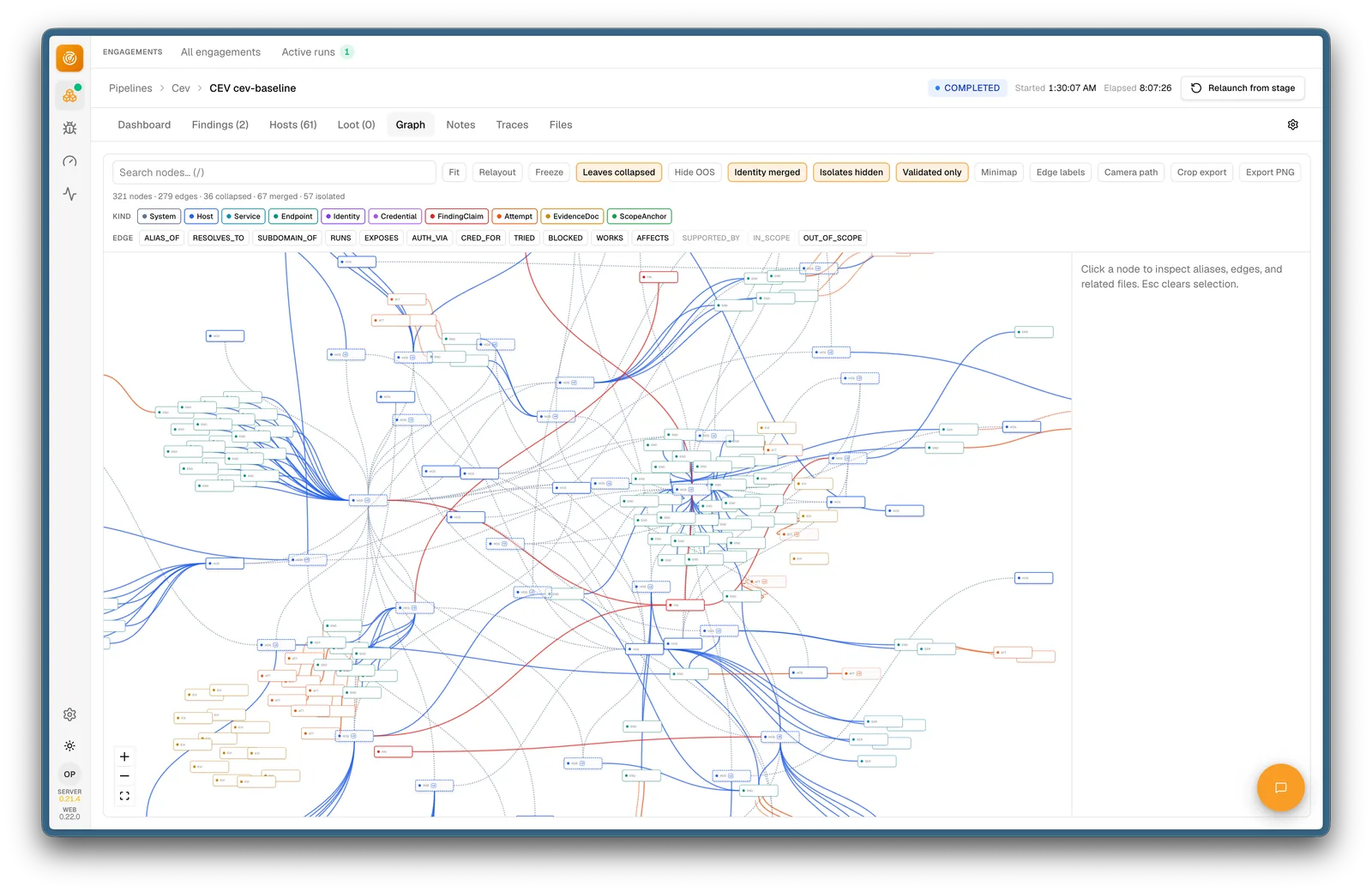
Aludra knowledge graph used to shape realistic threat-simulation paths

RTable

How RTable keeps the rehearsal alive

After-action decisions and scenarios can live in RTable so the next exercise is a continuation — not a one-day event that never runs again.

Explore RTable →
RTable interface used to run and retain readiness scenarios

Common questions

Will simulations use real malware?

We use controlled TTPs and tooling — never uncontrolled payloads in production. The pressure is realistic; the blast radius is agreed.

Red, blue, or purple — how do we choose?

We match the format to your team’s maturity. Some organizations need a full red-team pressure test; others need a collaborative purple exercise that improves detection in the room.

Who from our side needs to be involved?

A sponsor, the people who would actually detect and respond, and anyone who owns escalation. We do not run an exercise your operators cannot learn from.

How is this different from a tabletop?

A tabletop rehearses decisions. Threat simulation moves through the environment so you see whether detection fires and recovery holds. Many programs use both.

What do we take back to leadership?

An after-action report, updated playbooks, and detect/contain metrics you can baseline — not a story with no next step.

The Open Security Experience

What comes before and after.

You do not need to buy the entire platform. These stages show how this service becomes more powerful as part of the Open Security Experience.

Rehearse the worst day before it happens.

Talk with an operator about the scenario that would actually target you — and the blast radius you can live with.