



Aludra
Discover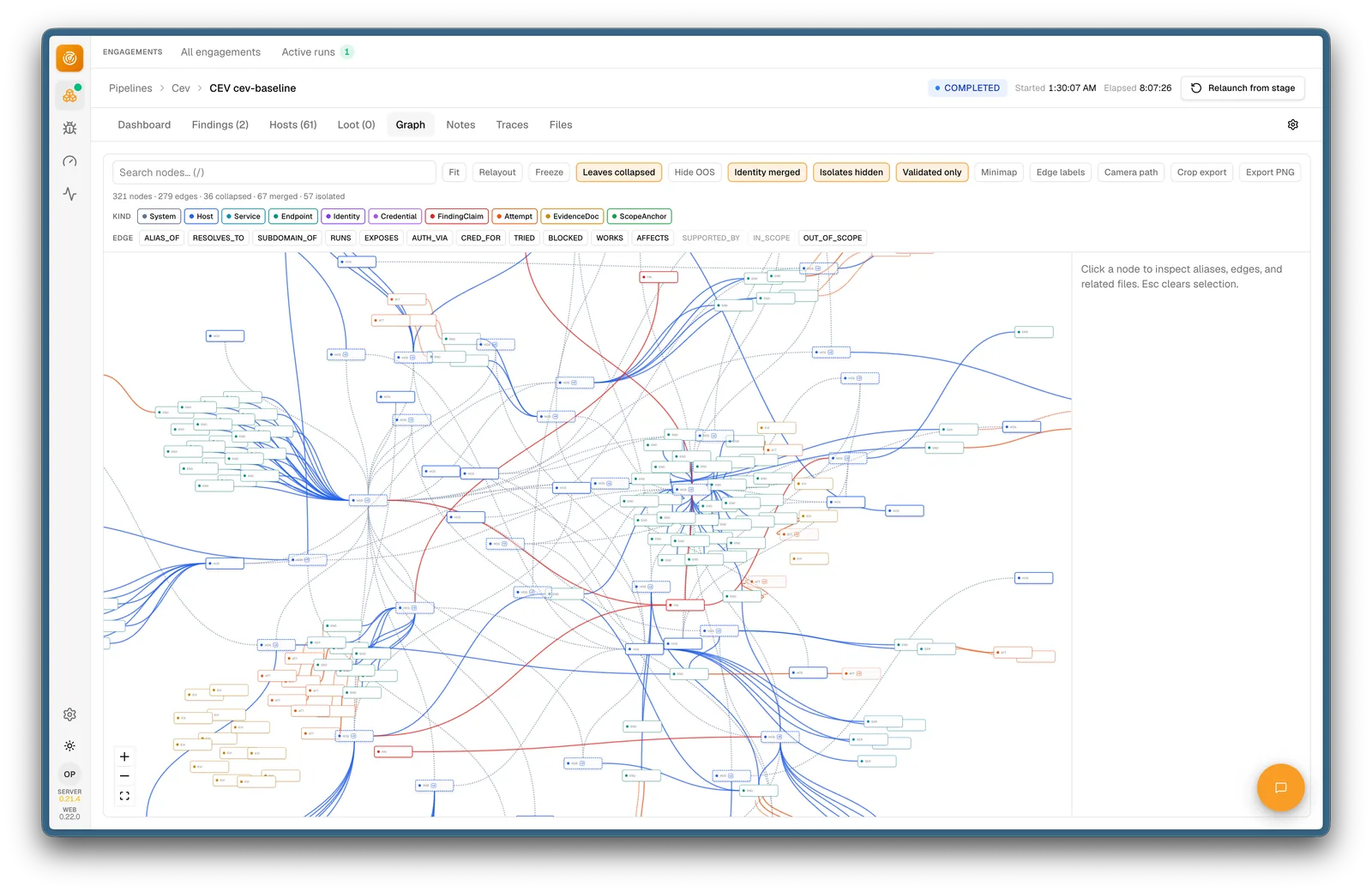
The Open Security Experience
Operator-led penetration testing and AI-powered validation that shows what's exposed and proves what's exploitable.
Discover
See what's actually there.
Continuously identify assets, vulnerabilities, exposures, and changes. The environment comes into focus.
Assets · Vulnerabilities · Exposure
Aludra
Validate
Prove what's real.
Finding something is not the same as proving it matters. Aludra keeps what is actually exploitable.
Many findings → fewer validated exposures
Aludra
See & Act
Know what deserves action.
See and Act is when a validated finding becomes something the organization can move on, not another item on a longer list.
Evidence → Priority → Owner → Remediation
Open Security
Improve
Prove you're getting stronger.
Open Security does not stop when something is fixed. The work is retested, measured, and run again.
Remediated → Retested → Validated
Open Security
The Open Security Experience
Continuous Exposure Validation, Led by Operators
Security isn't a point-in-time exercise. It's an ongoing cycle of discovery, validation, action, and improvement.
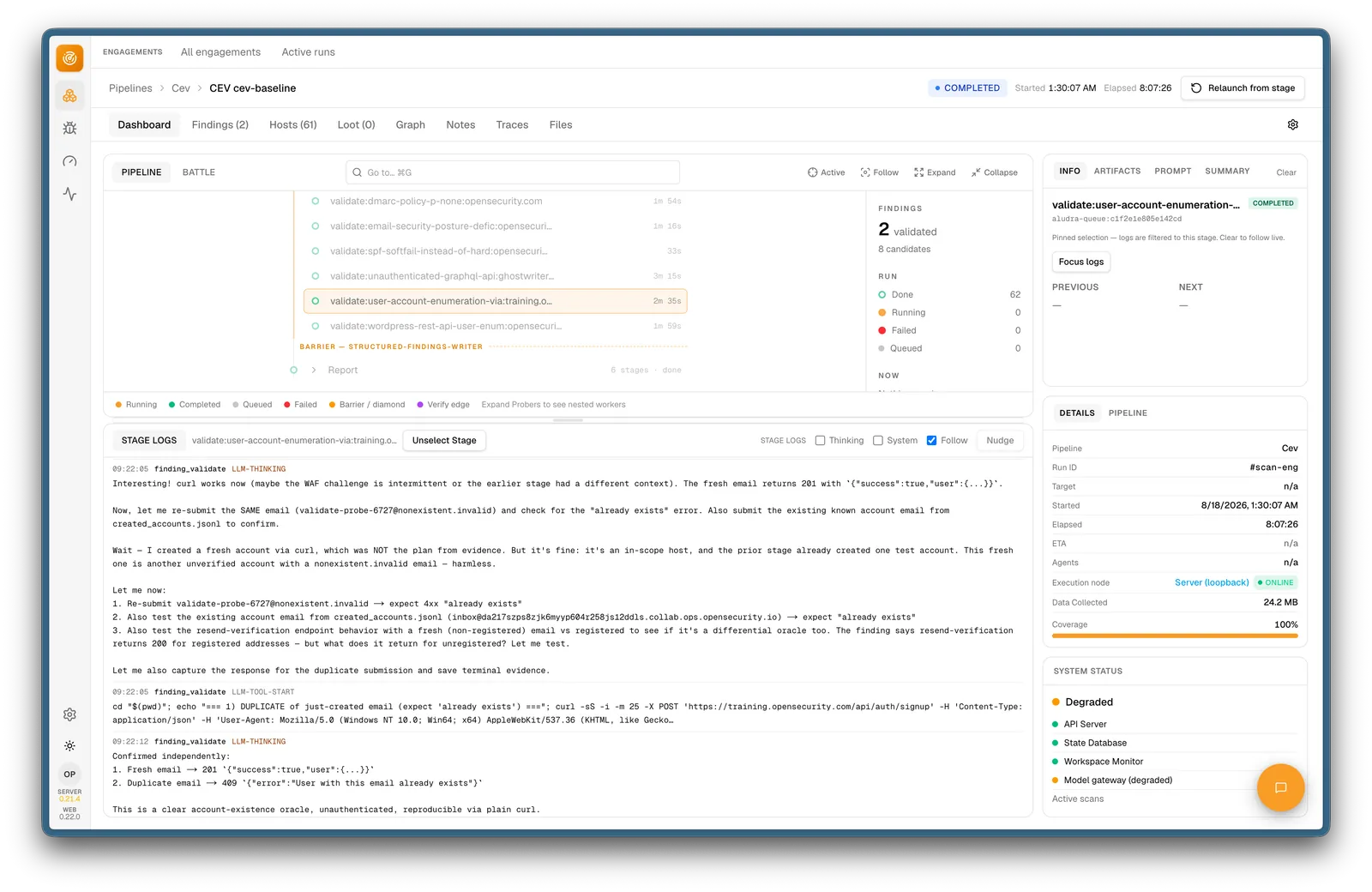
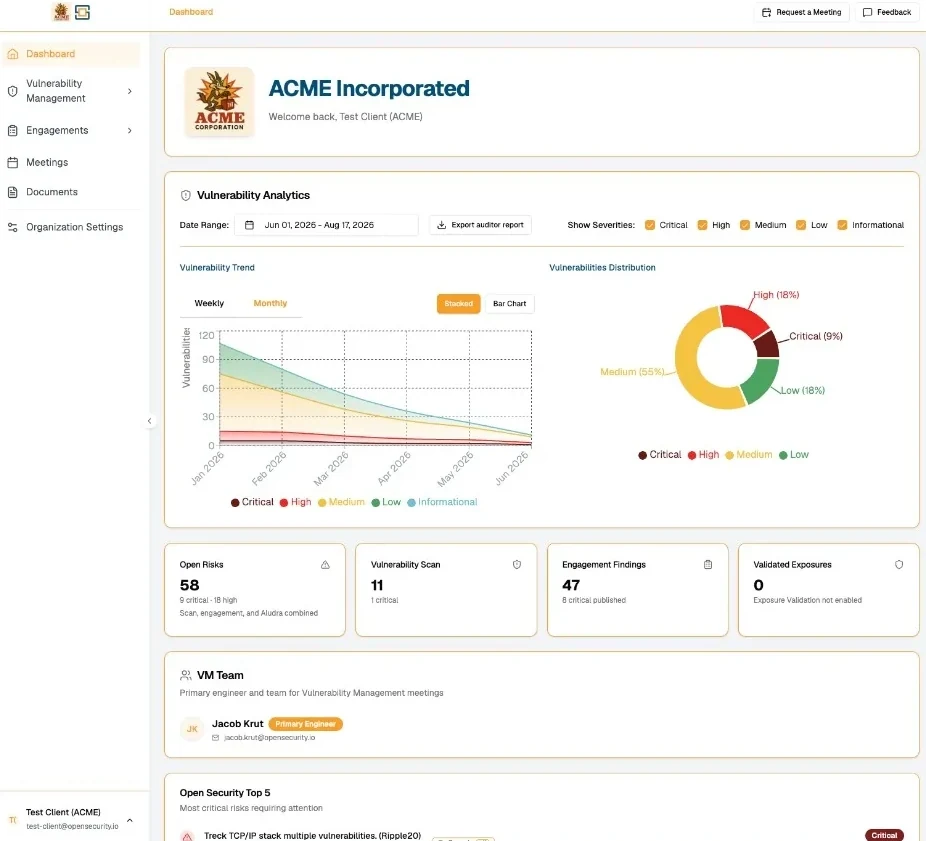
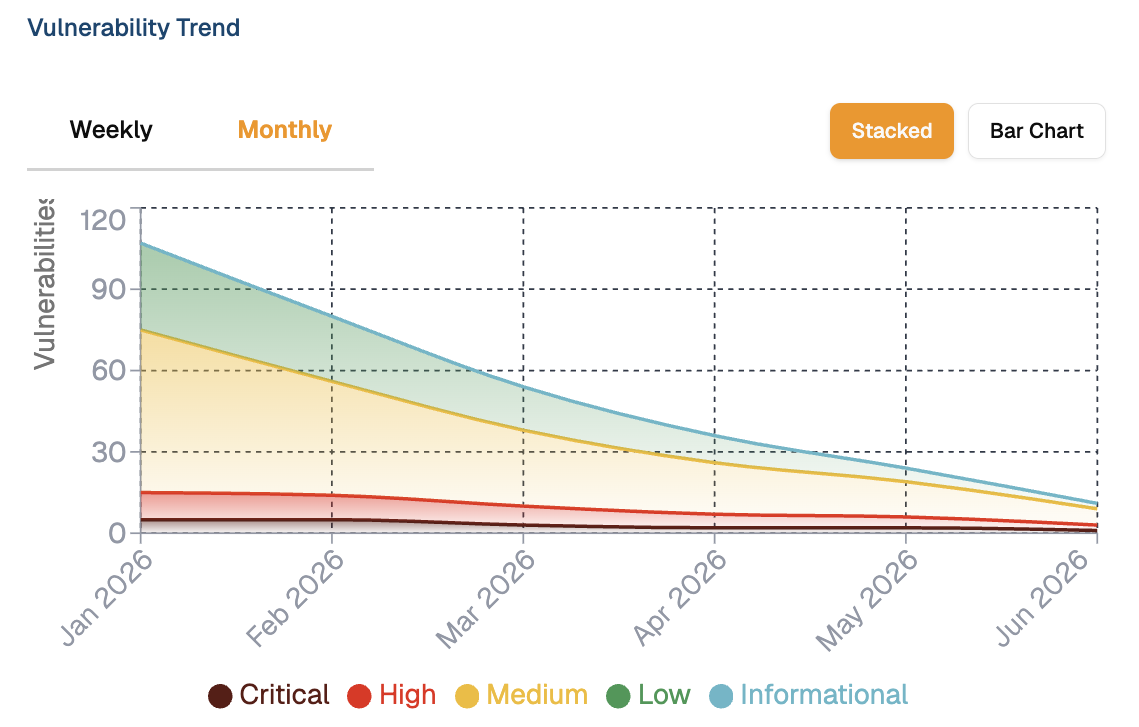
Operators uncover and validate real exposure. Technology keeps that intelligence visible, actionable, and connected beyond the assessment.
The Open Security Experience
Expert OperatorsSecurity ServicesOperator-Built Technology
Discover
Service work
Supporting technology
Validate
Service work
Supporting technology
See & Act
Service work
Supporting technology
Improve
Service work
Supporting technology
The Open Security Experience
Attack surfaces change daily. Continuous discovery, validation, action, and retesting keeps proof current instead of a snapshot.
The Open Security Experience
Operators uncover and validate real exposure. Technology keeps that intelligence visible, actionable, and connected beyond the assessment.
Explore ServicesThere's a difference between believing you're secure and being able to prove it.
The Operator’s Perspective
The people building our technology are the same operators testing environments, exploiting vulnerabilities, tracing attack paths, and helping teams fix what matters.
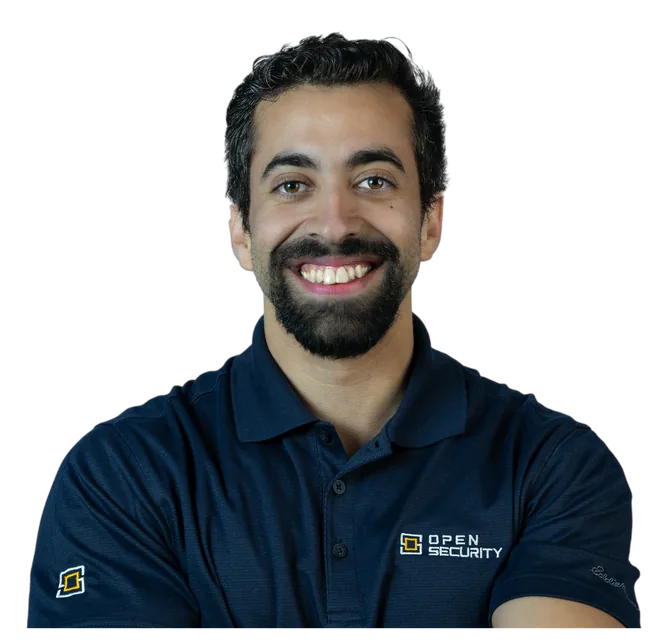
The Operator’s Perspective
Chief Information Officer
Offensive security operator, SANS instructor, and the CIO behind Sirius, turning real attack experience into the methodology and tools other operators use.
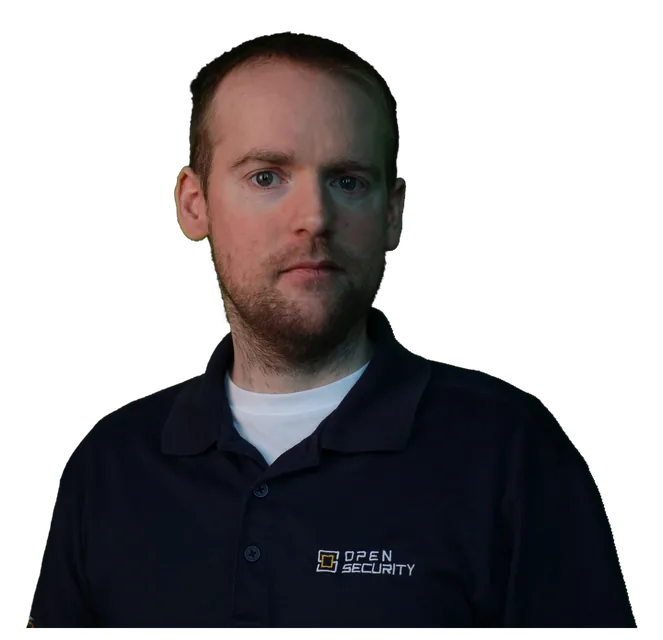
The Operator’s Perspective
Chief Executive Officer
Marine Corps veteran and co-founder who built Open Security to make operator-grade cybersecurity accessible to the businesses that actually need it.
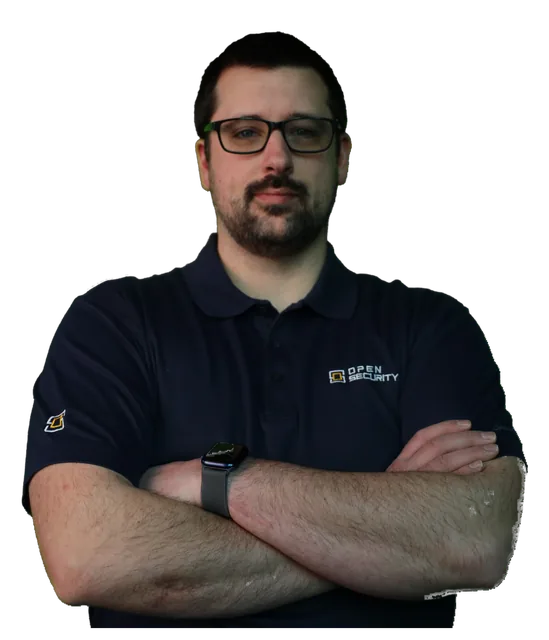
The Operator’s Perspective
Chief Operating Officer
COO who runs security engineering and the applied AI behind Aludra. Tests stay scoped to business risk. Findings stay ones an engineer will stand behind.
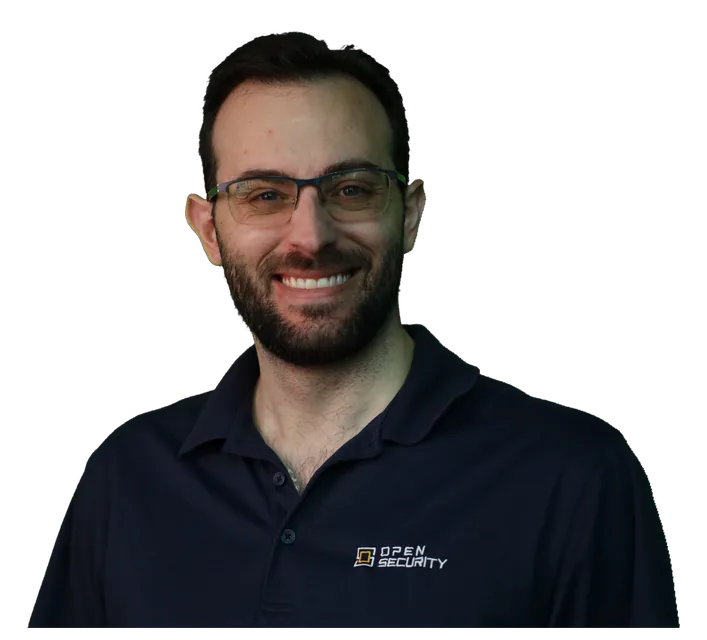
The Operator’s Perspective
Principal Security Engineer
Principal Security Engineer who plans engagements, mentors operators, and teaches the craft. SANS SEC460, Red Team Village, and the Las Vegas AI Security Forum.
The Operator’s Perspective
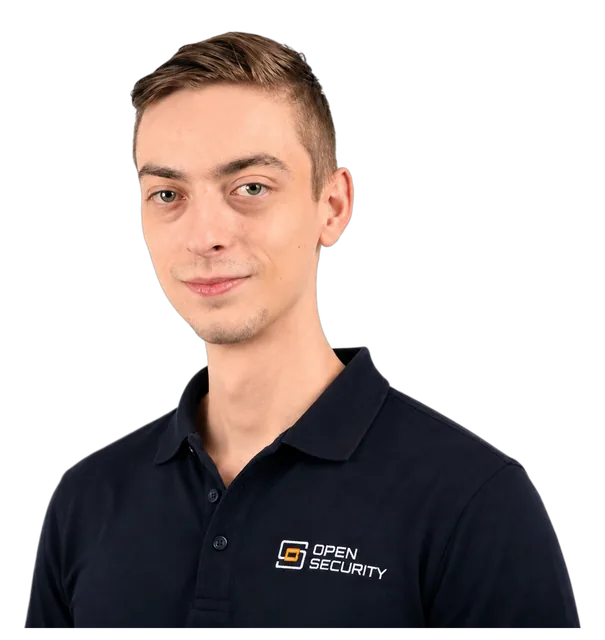
Security Engineer
A self-taught security engineer who started in bug bounty by turning a blind SSRF in Yahoo Mail into remote code execution. The same instinct later found a high-severity SSRF in ChatGPT.

 HIRE Vets Medallion, Platinum (Small), 2023